



Walking into a freshly painted room changes how a home feels within seconds. The wall finish sets the tone before any furniture or lighting comes into play, and this is why choosing the right interior emulsion paint matters as much as choosing furniture itself. For homeowners across Kolkata and beyond, who are renovating or building from scratch, understanding what separates an ordinary paint from a premium interior paint can save both money and repeated repainting cycles.
What Makes an Emulsion "Luxury Grade"?
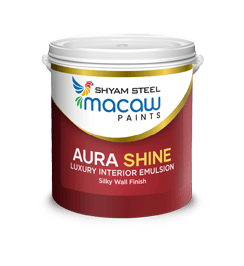
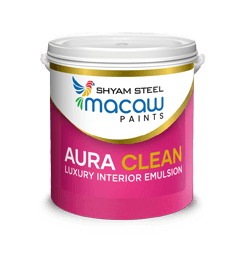
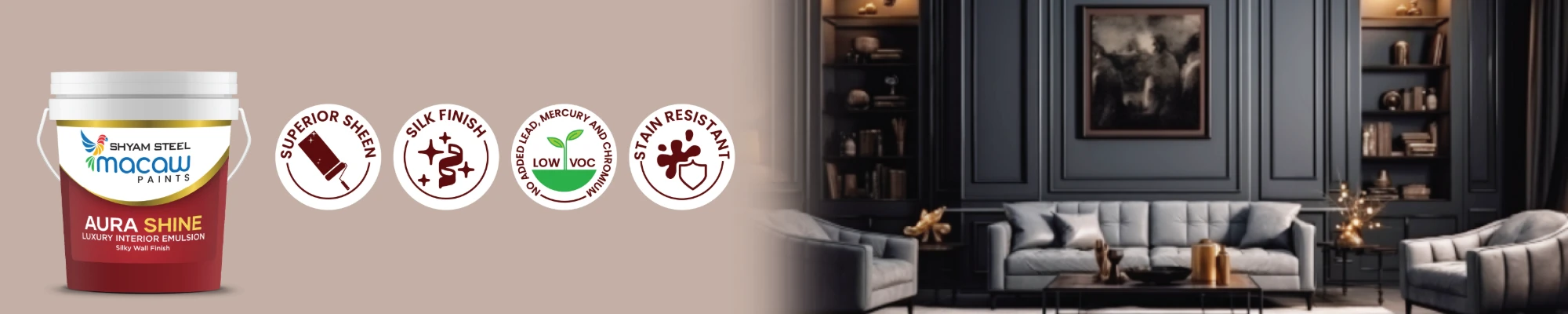
Luxury interior emulsion paint is all about the quality of film, not only color. An example would be the Macaw Paint Aura Shine Luxury Interior Emulsion, which makes use of finely ground pigment particles, resulting in a silky smooth finish after application and a high level of shine once dried. But it is not all about cosmetics. The fine grinding of particles ensures even coating by the roller, and thus eliminates brush strokes and unevenness that inexpensive emulsions leave on walls during daylight. The Macaw Paint interior range also includes Aura Clean, which uses micro cross-linking polymer technology to improve stain resistance and washability.
Why Coverage and Finish Decide Long-Term Value
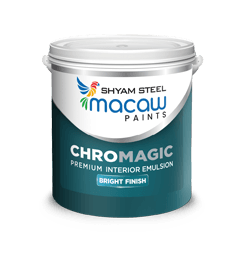
Coverage numbers rarely make it into a homeowner's decision-making, yet they directly affect the cost of a premium interior paint job over its lifetime. Aura Shine and Aura Clean both deliver 130 to 140 square feet per litre across two coats, well above what most standard emulsions manage. ChroMagic Premium Interior Emulsion, positioned for a bright, magnificent look on ceilings and walls, covers 100 to 120 square feet per litre in the same two-coat application. These figures matter because a paint that covers more per litre needs fewer repeat coats and stretches further across a full-house repaint. This is exactly the kind of detail that separates the best paint brand for interior walls from an average one on paper.
How Surface Preparation Affects the Final Look
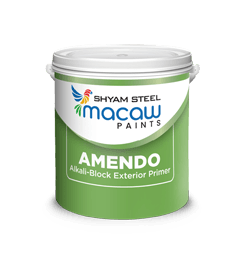
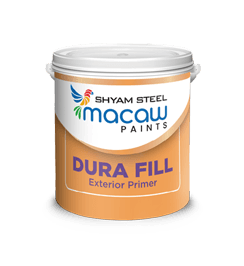
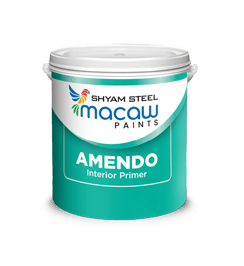
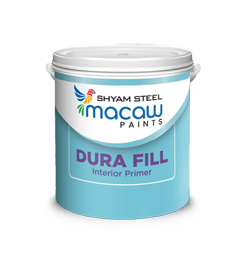
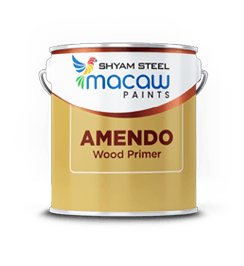
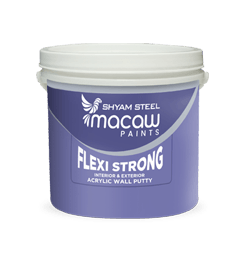
No premium emulsion paint will perform well when applied to an improperly prepared wall. The suggested method of application by Macaw Paint begins with either Amendo Interior Primer or Dura Fill Interior Primer that seals the pores in walls and makes the surface more adhesive before applying the topcoat. Flexi Strong Acrylic Wall Putty is then applied to fill hairline cracks and smoothen the surface. Finally, 220-320 sandpaper is used for a single pass over the wall surface before applying the finishing coat. Two to three coats of the selected emulsion are then applied after intervals of 4-6 hours between them. Failure to perform one or more of these steps is the most common cause of uneven appearance of even premium interior paint.
Which Product Suits Which Room?
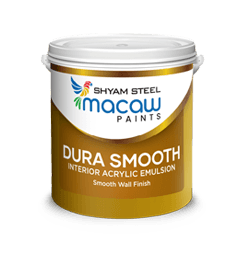
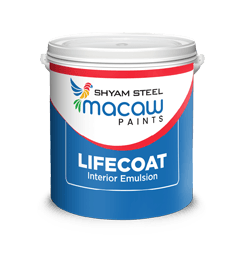
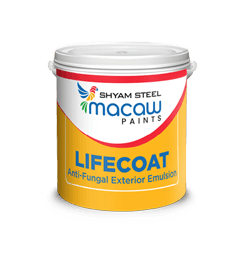
Not every luxury interior emulsion is meant for the same space. Aura Shine's silk finish and superior sheen work well in living rooms and formal spaces where light plays across the wall through the day. Aura Clean's stain resistance and easy washability make it a better fit for children's rooms, hallways, and kitchen-adjacent walls that see more contact and cleaning. Dura Smooth Interior Acrylic Emulsion, with its matte finish and good hiding power over existing paint layers, is well suited to homeowners repainting over an existing colour without stripping the walls back to bare plaster. LifeCoat Interior Emulsion, priced as a value-for-money step above distemper, works for larger homes where covering more wall area within a set budget is top priority. Matching the product to the room, rather than picking the most expensive can on the shelf, is what actually defines the best paint for inside walls in practical terms.
Why Low VOC Matters Indoors
Interior spaces are closed environments, which means that whatever gets released into the air by the paint used will affect the home environment. All paints in the line of luxury emulsions of Macaw Paints, including Aura Shine, Aura Clean, and ChroMagic, are formulated in a way so that they emit very low VOCs and do not contain lead, mercury, or chromium.
This characteristic is especially important when it comes to bedrooms and nurseries because the ventilation in those spaces is usually less than in living spaces, and paint in there needs to dry out much faster.
How Wide Is the Choice of Shades?
The flexibility with regard to colour is another attribute that moves a paint to be considered among the best paint for inside walls. The Macaw Paint Colour Nest tinting machine provides uniformity of colours and color variations of over 1,000 colours in the Aura Shine, Aura Clean, and Dura Smooth product lines. This is important for any homeowner looking for the ability to use colours other than factory whites without having to search for a base coat from another source. This is particularly important when renovating a house one room at a time rather than all at once, as it makes matching colours later much easier.
Getting the Application Right
Dilution ratios matter more than most homeowners assume. Aura Shine and Aura Clean both call for 400 to 500 millilitres of potable water per litre of emulsion for brush application, adjusted upward slightly for darker base shades that need more flow. Applying paint when the ambient temperature sits between 10 and 45 degrees Celsius, keeping wall moisture below 12 percent, and maintaining a wall pH between 7 and 11 all directly affect how well the emulsion bonds and how long the finish lasts before it needs attention. These aren't arbitrary numbers on a technical data sheet; these are the difference between a finish that holds for years and one that needs touch-ups within a single monsoon season.
Choosing a premium interior paint is ultimately about matching product chemistry to the room it will live in, not just picking a shade off a colour card. Macaw Paint's interior emulsion range gives homeowners and painters a spread of finishes, from the silk sheen of Aura Shine to the stain resistance of Aura Clean, built on the same low-VOC, high-coverage foundation that makes a genuine best paint brand for interior walls stand apart from the rest of the market.
Conclusion
The choice of interior emulsion paint often shifts depending on how long a homeowner plans to stay in a property. For a permanent home, investing in Aura Shine or Aura Clean pays off across a decade or more of daily use, since the higher coverage and stain resistance reduce touch-up frequency significantly. For a rental property or a home likely to be repainted before resale, Dura Smooth or LifeCoat Interior Emulsion offer a more cost-effective route to a clean, premium-looking finish without committing to the higher per-litre price of the luxury tier. Neither choice is wrong, because the decision simply depends on how long the walls need to hold up before the next repaint cycle begins.
FAQs
Q. What is a Premium Emulsion?
A premium emulsion is an interior paint designed to offer superior performance and quality compared to regular paints. Macaw Paints Aura Shine Luxury Interior Emulsion contains fine pigments that create a silk finish and superior sheen, while Aura Clean provides micro cross-linking technology for stain resistance. Both paints cover approximately 130 to 140 square feet per litre.
Q. What is Interior Acrylic Paint Used for?
Interior acrylic paints, such as Macaw Paint's Dura Smooth Interior Acrylic Emulsion, are used on plastered interior walls to provide improved coverage, durability, and smoothness compared to regular emulsion paints. They offer good opacity over old paints, produce a matte finish, and cover up to 80 to 90 square feet in two coats per litre, making them suitable for painting entire rooms or houses.
Q. What is Low VOC for Paint?
Low VOC refers to paint containing reduced levels of volatile organic compounds, which are gases emitted during and after painting. Macaw Paints' Interior Emulsion range, including Aura Shine, Aura Clean, and ChroMagic, is low in VOCs and does not contain lead, mercury, or chromium.
Q. What is the Best Paint to Prevent Stains?
Aura Clean Luxury Interior Emulsion is designed for stain resistance using sophisticated co-polymers and micro cross-linking technology. This creates a protective shield over the wall surface, helping prevent spills and stains from seeping into the paint film so they can be removed with a water-dipped cloth.